
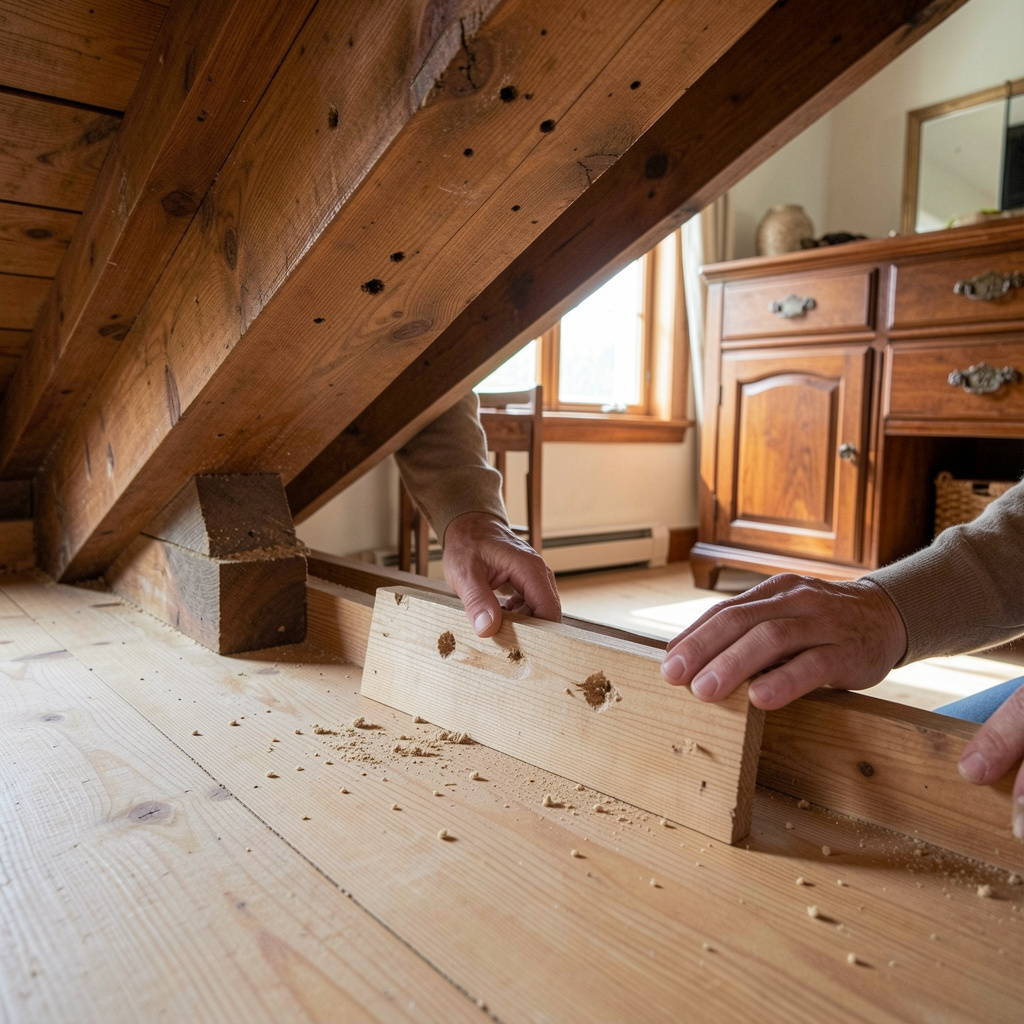
Why Wooden Homes Are Vulnerable to Insects
Wooden homes are admired for their warmth, natural beauty, durability, and timeless design. From cozy cabins to traditional timber-framed houses, wood remains one of the most popular construction materials in many parts of the world. However, despite its many advantages, wood also comes with one major challenge — insect vulnerability.
Because wood is a natural material, it can attract a wide variety of insects looking for food, shelter, or breeding areas. Some pests feed directly on timber, while others simply take advantage of damp or damaged wood. Over time, these insects can weaken structural beams, flooring, furniture, and support systems if left untreated.
The good news is that understanding why wooden homes attract insects can help homeowners take preventive steps to reduce risk and protect timber for the long term.
Many homeowners researching timber care through shashel.eu/ understand that prevention and early maintenance are essential for protecting wooden homes from costly insect damage.
In this guide, we will explore why wooden homes are vulnerable to insects, the most common pests involved, and how homeowners can protect their timber structures.
Why Wooden Homes Attract Insects
Wood is an organic material made from natural fibers.
Many insects are naturally attracted to wood because it provides:
- Food
- Shelter
- Nesting areas
Some pests feed directly on wood, while others prefer the damp environments often associated with timber.
The vulnerability increases when wood becomes:
- Damp
- Cracked
- Untreated
- Poorly ventilated
Healthy, protected timber is far less attractive to insects.
Wood Is a Natural Food Source
One of the biggest reasons insects target wooden homes is because timber contains nutrients.
Why Wood Attracts Pests
Certain insects digest parts of wood as food.
For example:
- Woodworm larvae feed inside timber
- Termites consume wood fibers
Because wooden homes contain large amounts of timber:
They naturally become attractive targets
Untreated wood faces greater risk.
Moisture Makes Wooden Homes More Vulnerable
Damp wood is one of the biggest factors increasing insect activity.
Why Insects Prefer Damp Timber
Moist wood becomes:
- Softer
- Easier to tunnel through
This makes it ideal for:
- Woodworm
- Beetles
- Termites
Common Moisture Sources
Wooden homes may develop moisture problems from:
- Roof leaks
- Plumbing leaks
- Condensation
- Poor drainage
Dry timber naturally resists infestation better.
Poor Ventilation Creates Ideal Conditions
Poor airflow traps humidity inside wooden structures.
High-Risk Areas
Insects often thrive in:
- Attics
- Crawl spaces
- Basements
- Roof cavities
Why Ventilation Matters
Good airflow helps:
- Reduce dampness
- Keep timber dry
- Discourage pests
Poor ventilation increases infestation risk.
Many homeowners exploring timber care through shashel.eu understand that proper ventilation is one of the simplest ways to protect wooden homes naturally.
Small Cracks Create Entry Points
Over time, wood naturally expands and contracts.
This may create:
- Cracks
- Small openings
- Surface damage
Why Cracks Matter
Many insects lay eggs inside:
- Gaps
- Exposed timber
Woodworm beetles especially prefer cracks for egg laying.
Routine maintenance helps reduce access points.
Untreated Timber Is More Vulnerable
Protective treatments help timber resist insects.
Why Untreated Wood Attracts Pests
Without protection:
- Moisture enters more easily
- Wood becomes softer
This creates favorable conditions for infestation.
Older homes often face greater risk because timber may never have been treated.
Older Wooden Homes Are More at Risk
Age increases vulnerability.
Why Older Homes Face More Problems
Older timber often develops:
- Surface cracks
- Wear and tear
- Moisture damage
Older homes may also contain untreated structural wood.
Regular inspection becomes more important over time.
Wood-Boring Insects Commonly Affect Wooden Homes
Several insects commonly target timber structures.
Woodworm
Woodworm refers to wood-boring beetle larvae.
Why Woodworm Is Dangerous
Larvae feed inside timber for years.
They commonly affect:
- Roof beams
- Furniture
- Floorboards
Damage often remains hidden.
Termites
Termites are among the most destructive wood pests.
Why Termites Are Serious
They feed directly on timber.
Large infestations may weaken:
- Structural supports
- Flooring
Fast treatment is essential.
Carpenter Ants
Unlike termites, carpenter ants do not eat wood.
What They Do
They tunnel through wood to create nests.
Damaged or damp timber is especially vulnerable.
Beetles
Several beetle species attack timber.
Their larvae may weaken structural wood over time.
Damp Conditions Encourage Insect Activity
Many insects prefer damp environments.
Why Dampness Matters
Moisture increases:
- Soft wood
- Mold growth
This attracts both insects and fungi.
Common Warning Signs
Watch for:
- Water stains
- Musty smells
- Damp walls
Moisture problems should never be ignored.
Hidden Spaces Make Infestation Hard to Detect
Wooden homes contain many hidden timber areas.
Hard-to-Reach Locations
Infestation often develops in:
- Roof spaces
- Floor supports
- Wall cavities
Because pests remain hidden:
Damage may spread unnoticed
Routine inspections matter.
Seasonal Weather Changes Affect Timber
Wood naturally reacts to temperature and humidity.
What Happens
Wood may:
- Expand
- Shrink
This sometimes creates cracks and weak areas.
Insects may take advantage of these openings.
Seasonal maintenance helps reduce risk.
Warning Signs of Insect Damage
Early detection protects wooden homes.
Watch for:
- Small holes in timber
- Powdery wood dust
- Weak wood
- Cracks in beams
- Beetles indoors
Early action prevents serious damage.
How to Protect Wooden Homes from Insects
Prevention is always easier than repair.
Keep Timber Dry
Dry wood naturally discourages pests.
Fix Problems Quickly
Repair:
- Roof leaks
- Pipe leaks
Moisture control matters.
Improve Ventilation
Better airflow reduces humidity.
Focus on:
- Roof spaces
- Basements
Healthy ventilation protects timber.
Inspect Regularly
Routine checks reveal early warning signs.
Inspect:
- Ceiling beams
- Flooring
- Furniture
Small problems are easier to manage.
Apply Protective Treatments
Protective products help resist:
- Moisture
- Insects
Preventive care improves durability.
Seal Cracks and Gaps
Repairing damaged wood reduces entry points.
Small maintenance efforts make a major difference.
Common Mistakes Homeowners Make
Ignoring Moisture
Dampness encourages infestation.
Delaying Repairs
Small problems spread quietly.
Skipping Inspections
Hidden damage often worsens.
Assuming Wood Is Naturally Safe
Timber requires care.
Consistent maintenance matters.
Long-Term Benefits of Prevention
Protecting wooden homes provides major advantages.
Benefits Include
- Lower repair costs
- Stronger structural safety
- Longer timber lifespan
- Better home value
Healthy timber lasts longer.
Preventive care saves money.
Conclusion
Wooden homes are naturally more vulnerable to insects because timber provides food, shelter, and nesting opportunities for many pests. Moisture, poor ventilation, untreated wood, cracks, and aging timber all increase the risk of infestation.
Woodworm, termites, beetles, and carpenter ants can quietly damage wooden structures if conditions allow them to thrive. However, regular inspections, moisture control, proper ventilation, and preventive treatments can significantly reduce the risk.
Many homeowners researching timber care through shashel.eu understand that protecting wooden homes begins with prevention rather than expensive repairs later.
